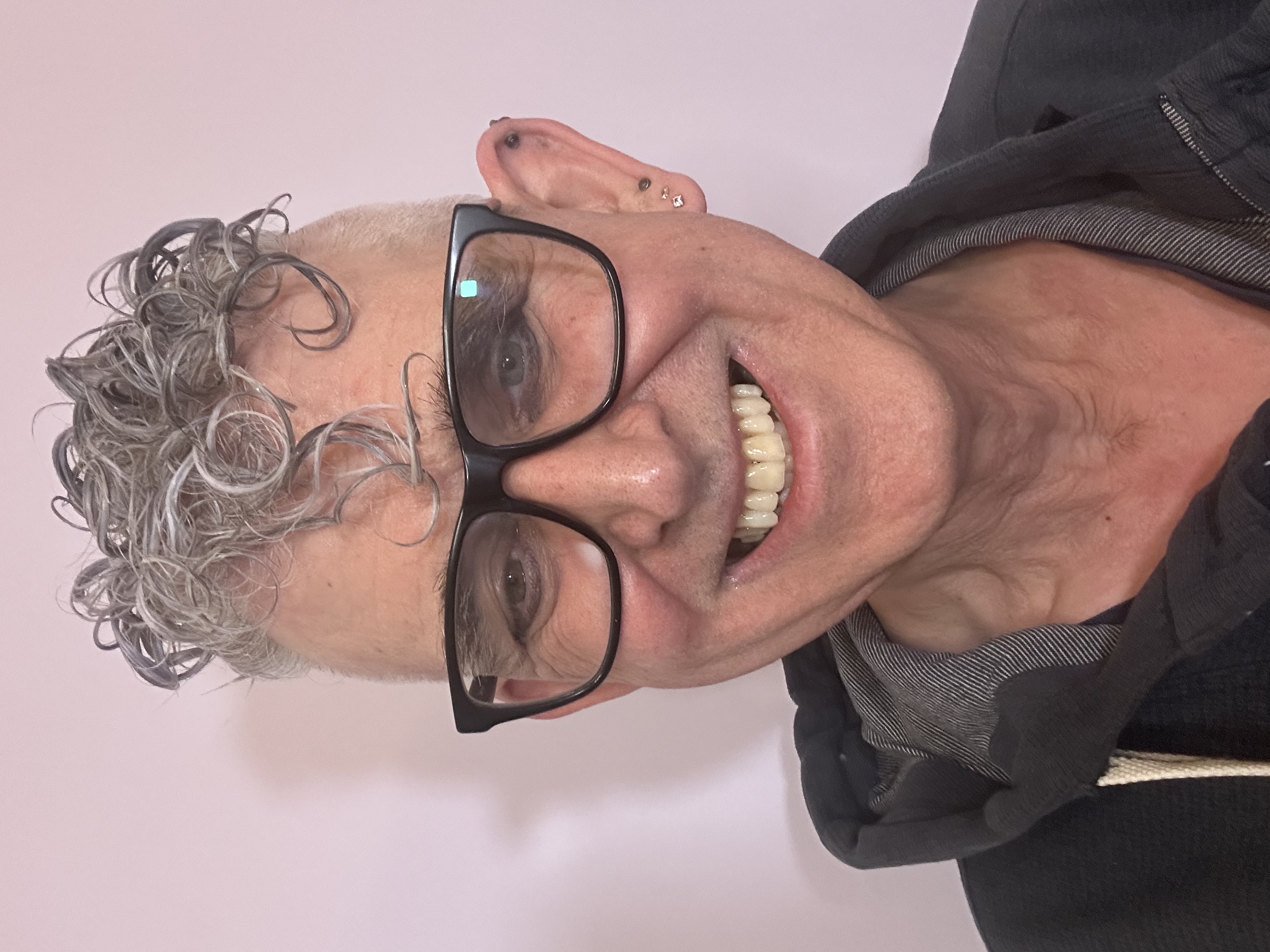
Deciding to step down from my role as CEO of You First in November 2024 was anything but easy, but it was the right decision. I founded the Social Enterprise in February 2014 after more than two decades of managing support services for autistic and learning disabled people through Somerset County Council’s in-house Learning Disability Provider Service.
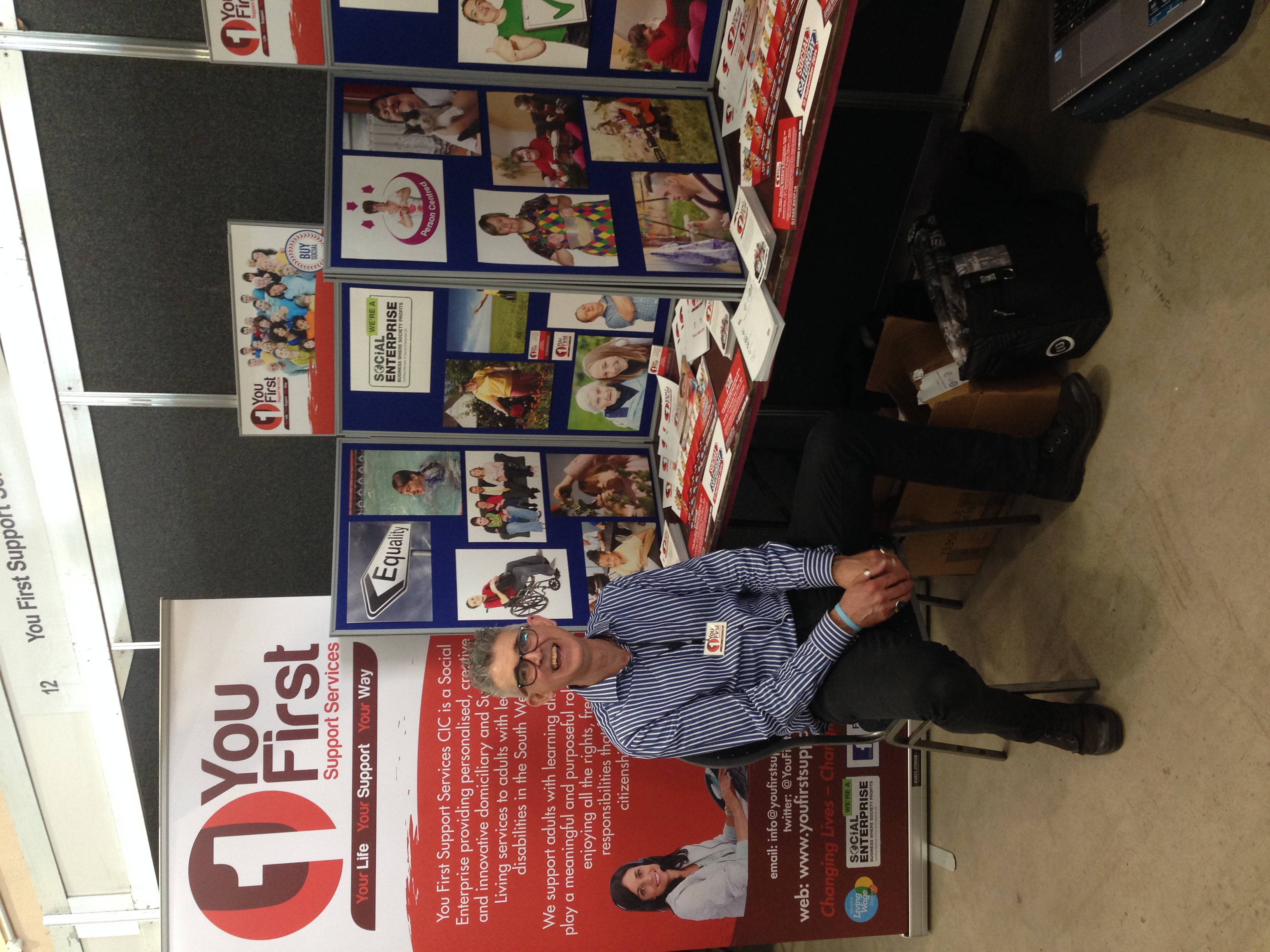
You First took off almost immediately, thanks in no small part to the support I received from the Mendip Social Work Team, led by Pam Pascoe. This was a meeting of person-centred values, where support was self-directed and choice and control were firmly with the person supported.
Growing such an organisation from scratch was no mean feat, and soon I was joined by Rachel Whitcombe, who worked her socks off, helping me build on the foundations I had laid. It was hard work that demanded unrelenting commitment. There was no template for a Social Enterprise of this nature; indeed, the Editor of Learning Disability Today emailed me, “If you get this cracked, let me know how you did it!” The answer was simple: flat structure, micro-teams appointed by the person supported, personalised support, no set rotas, no agency staff, and putting values before organisational and personal gain.
The execution was slightly more challenging!
At the heart of the organisation was an overriding commitment to people mattering more than profit, and everyone involved was seen and treated as equals. I remember saying, “My role as CEO is to put You First out of business,” meaning the goal was to see people outgrow the need for support. People mattered more than the machinery of organisational administration.
Multiple layers of management, endless bureaucracy, and a million policies that replace relational management become barriers that distance the person supported from life.
People don’t want a service; they want a life.
What I did not understand at the time was the cost this was taking on my body and mind, and after a decade of building You First, it was time to move on. I had been living with undiagnosed ADHD, and post-COVID, I was experiencing ADHD burnout. It was a complete breakdown.
ADHD burnout is common, but in my view, it is misunderstood. It comes from a combination of nature and nurture.
Burnout is when the body, mind, and emotions run on empty. There is simply nothing left. I found even getting out of bed demanded too much energy. It is a state of chronic exhaustion, both physical and mental, experienced by neurodivergent folk. It stems from consistently trying to meet societal and organisational expectations that don’t align with our natural ways of thinking and being. It is caused by prolonged stress from masking, sensory overload, social demands, and executive function challenges. It can lead to a loss of skills, social withdrawal, and a diminished ability to cope with daily life. This was my experience. I found that my decision-making was becoming difficult, and the demands on me were triggering deep internal emotional responses. Eventually, this led to total collapse.
Recovery has been slow. I still receive medical support; the cycle of ADHD burnout is far-reaching in its impact, and the very real lack of understanding and the even greater lack of organised support conspires to leave people stuck. This can lead to shame, as one's mindset may shift from “something has gone wrong” to “I am wrong.” That’s very hard to sit with.
Coaching has been key to my recovery, so much so that I have trained and qualified as a Coach, and I will further qualify as an ADHD Coach at the end of January 2026, having trained with Esther Barrett. My objective, just as it was when I founded You First, is to pay it forward, to give something back. I have benefited from the miracle of coaching, and I want to be part of a new movement of ADHD Coaching that is dynamic, personalised, and which not only recognises, but also respects and understands the neurodivergent mind.

My coaching is grounded in warmth, curiosity, and deep respect for lived experience. Drawing on over 35 years in social care, my own neurodivergent journey, and a mindfulness practice rooted in the Plum Village tradition, I offer a calm, human space where you do not have to perform or be fixed. I work gently and collaboratively, helping people make sense of their patterns, soften self-judgement, and find ways of living that fit who they truly are. Clients often describe feeling more settled, clearer, and kinder towards themselves, with greater confidence in their decisions, stronger boundaries, and a growing sense of agency and ease in everyday life.
I believe that 2026 is going to be an exciting year, not just for Insight2Excellence and me, but for ADHD Coaching nationally. Please stay tuned for further updates.
For all those who have travelled this journey with me, I wish you love, and I thank you from the bottom of my heart.
All that remains is to wish you a Very Merry Christmas, however you celebrate, and I wish you the very best for the New Year.