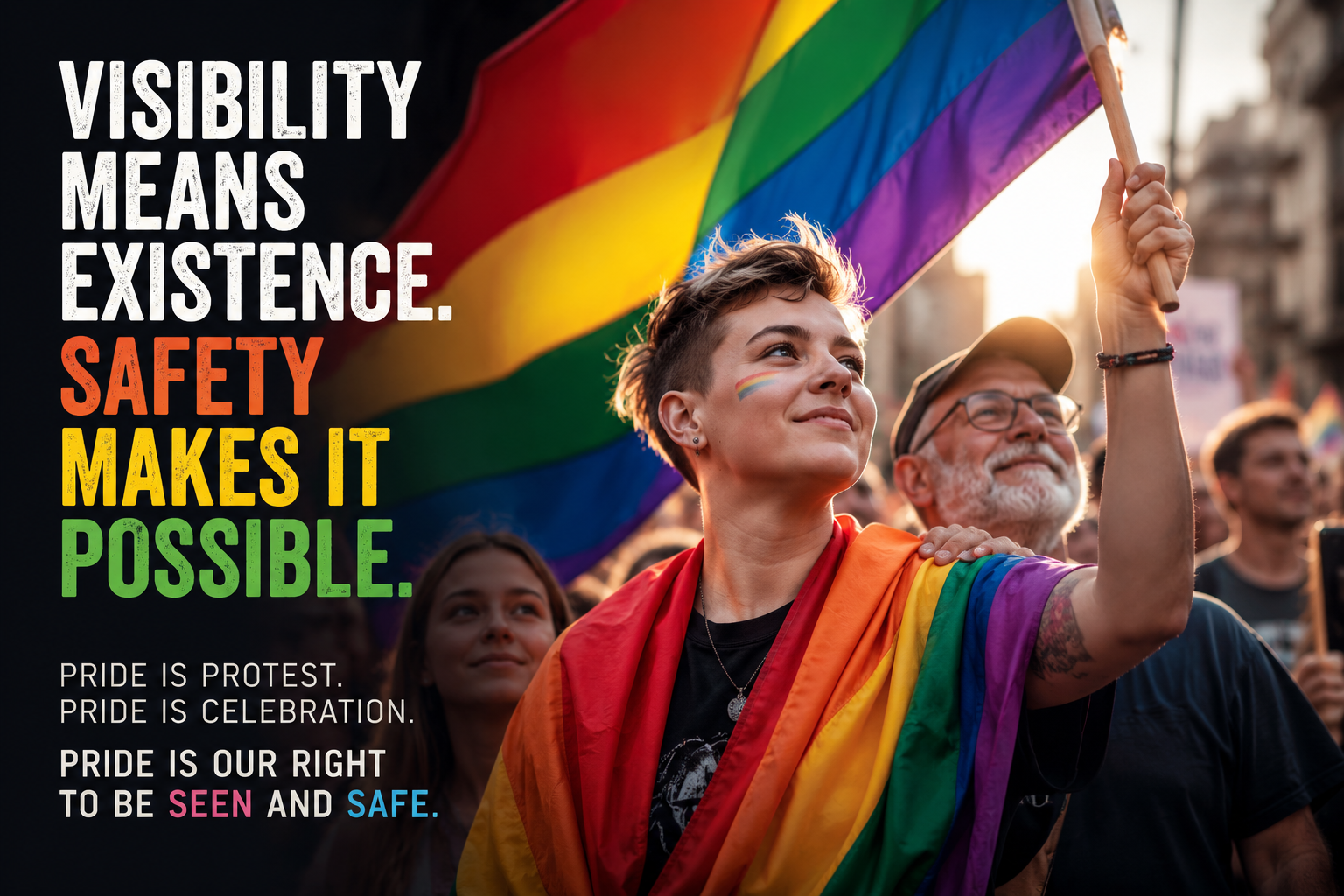
Every right I have as a gay man was won by somebody who was accused of making too much fuss, and who did so in a time when they could have suffered serious repercussions. At a time when fostering division has become a political weapon, visibility and representation have become a radical act.
June is Pride Month, a time when there are parades and celebrations around the world, bringing the LGBTQIA+ community together in loud, proud, and unapologetically queer riotous splendour. I want to see as many queer people as possible on our streets because representation isn’t just about celebration; it’s about survival. When you don’t see yourself represented in films, books, TV shows, schools, workplaces or public life, the message received is “people like you don’t belong here.” Indeed, four years ago, in my sleepy little South Somerset village, a neighbour had their hands around my throat using those very words. This is one reason why we need Pride.
Research consistently shows that LGBTQ+ young people experience better mental health outcomes when they encounter positive representation and affirming adults. This is why a child seeing an openly gay teacher, a trans doctor or a lesbian MP matters. This is not about the sexualisation of children; it’s about the promotion of possibility. It’s the language of hope.
At the same time, representation without safety is not inclusion. It is exposure. There is little comfort in seeing yourself reflected in public life if you fear bullying at school, discrimination at work or violence in your community. Pride is not simply about being seen; it is about creating a society in which being seen is safe.
I was 25 when Section 28 was introduced by Margaret Thatcher’s government in 1988 as part of the Local Government Act. I talk about this in my memoir, Meeting Myself at the Intersection, and it’s impossible to overstate how much Section 28 shaped the atmosphere around being LGBTQIA+. The law stated that local authorities:
"shall not intentionally promote homosexuality or publish material with the intention of promoting homosexuality"
and:
"[shall not] promote the teaching in any maintained school of the acceptability of homosexuality as a pretended family relationship."
At the 1987 Conservative Party Conference, Margaret Thatcher said:
“Children who need to be taught to respect traditional moral values are being taught that they have an inalienable right to be gay."
The impact was huge.
• teachers avoided discussing LGBTQ+ issues
• books featuring same-sex parents disappeared from some libraries
• young people received the message that being gay was unspeakable
• many LGBTQ+ teachers felt unable to be open about their lives
• support groups became harder to establish
One of the most insidious impacts of Section 28 was fear. Young LGBTQIA people felt they were something unspeakable. Local Authorities didn’t know where the line was, and neither did teachers, nor did schools, so no one did anything.
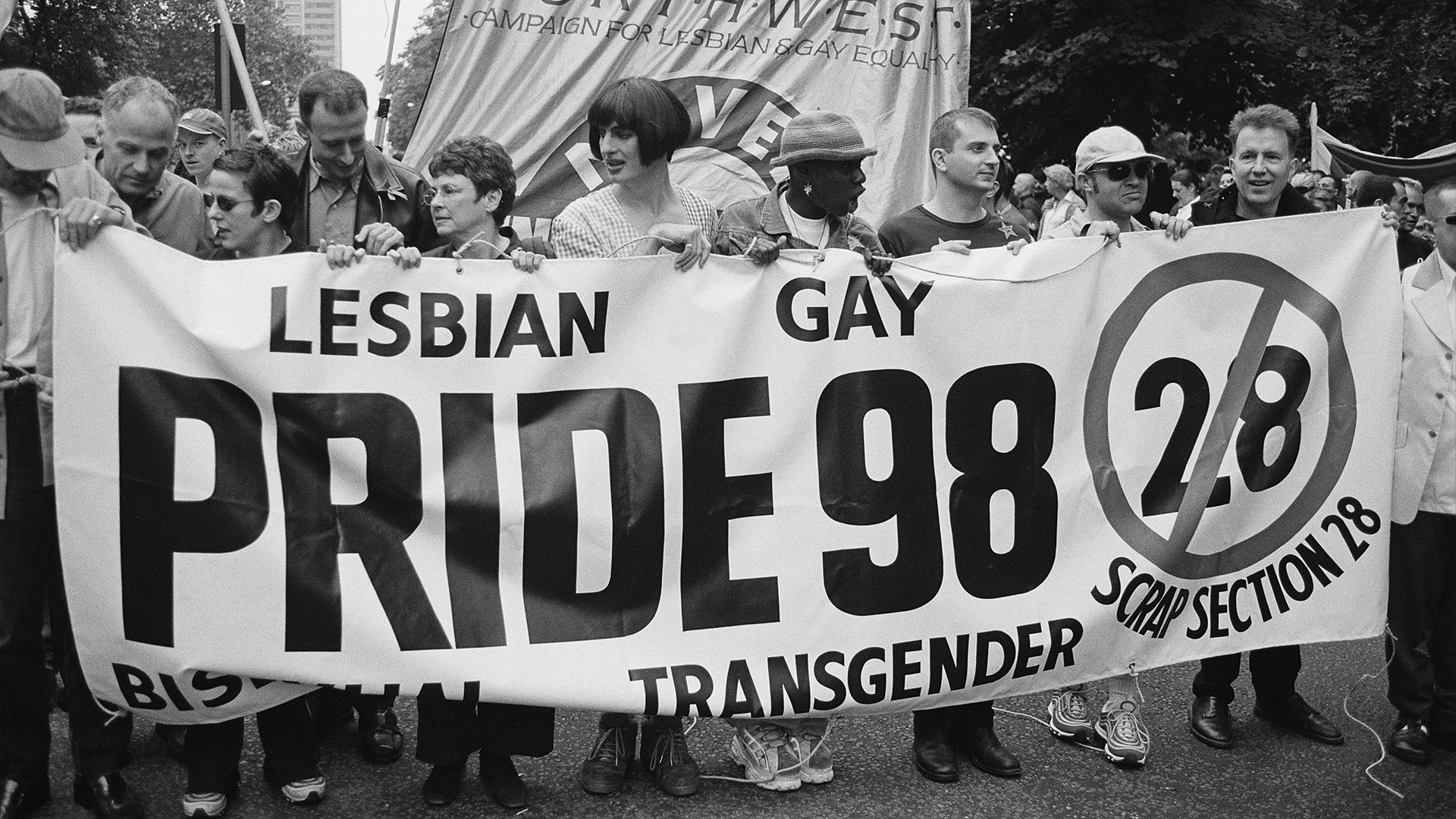
The law was not repealed until 2003. There was a previous attempt in 2000, but the House of Lords blocked it. During that time, I was trying to establish my relationship with my life partner, Trevor. We lived under a shadow that told us our relationship was “pretend.” We were somehow second-class citizens, viewed as living a second-rate relationship in comparison to our heterosexual peers.
When people ask why Pride still matters, my answer is:
Pride exists because somebody stood up and said: "No. We are real. We have always been real.”
It was queer defiance that helped bring Section 28 down. There were protests across the country. One famous protest saw activists abseil into the House of Lords. Another involved lesbians invading a live BBC news broadcast. Groups such as Stonewall were founded partly in response to Section 28.
You might wonder why I am mentioning something that happened 38 years ago, but I do so because we are at significant risk of repeating past mistakes. Leaders on the right of politics are speaking a language very similar to that of Margaret Thatcher all those years ago, not just in our country but across the world. Section 28 isn’t ancient history. Some of the language surrounding LGBTQ+ people today has an uncomfortable familiarity. And we don’t have to look further than Europe for evidence of this. Europe has seen both remarkable progress and significant examples of democratic backsliding on LGBTQIA+ rights during the last decade.
Under Viktor Orbán, Hungary introduced legislation in 2021 prohibiting the portrayal of homosexuality and gender transition to minors in schools and certain media. Critics, including the European Commission, compared it to Russia's "gay propaganda" laws and argued that it stigmatised LGBTQ+ people. In April 2026, the European Court of Justice ruled that the law breached fundamental EU values and principles of equality and non-discrimination.
Hungary became the first EU country to ban Pride marches nationally, a move widely condemned by LGBTQ+ organisations and human rights groups. It’s remarkable that within the European Union, a member state banned Pride, an event many people take for granted as part of shared history.
The truth is, we can never take our freedom for granted.
Although not an EU member, Georgia is part of the wider European human rights landscape.
In 2024, the Georgian Parliament passed a "family values and protection of minors" package that:
· restricts legal recognition of LGBTQ+ people
· limits discussion of LGBTQ+ topics
· restricts gender transition
· creates barriers to Pride events and public visibility
The European Union, Council of Europe, Amnesty International and UN human rights bodies all criticised the legislation as discriminatory.
A few years ago, dozens of Polish local authorities declared themselves "LGBT-free zones," creating international concern. The European Commission launched legal action, and funding pressures followed. Over time, many of those declarations were withdrawn.
Poland is an example of resistance working.
More than half of Commonwealth countries still criminalise consensual same-sex relationships. Many of these laws can be traced directly to legislation imposed during British colonial rule.
We stand on the shoulders of giants. The generation before us fought criminalisation. My generation fought silence.
People like Alan Turing, who is often referred to as the father of modern computing. Despite helping crack the German Enigma code during WWII, he was prosecuted for homosexuality in 1952, chemically castrated and died two years later. A powerful example that being gay was literally criminalised in living memory.
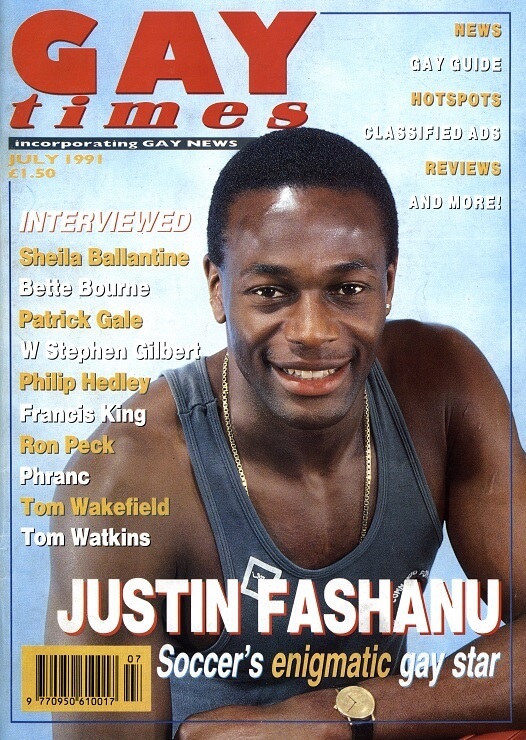
Justin Fashanu was the first professional footballer in Britain to come out as gay. He faced intense homophobia from within football, media and society and died by suicide in 1998. Justin's story remains one of the starkest examples of why representation without safety can be devastating.
Peter Tatchell has been arrested numerous times while campaigning for LGBTQ+ equality. He has spent decades challenging anti-gay laws in Britain and internationally. Many younger LGBTQ+ people enjoy rights won through campaigns he helped lead.
Sir Ian McKellen came out publicly in 1988 while opposing Section 28. He has often said that visibility changes lives because people cannot hate people they actually know.
Angela Mason led the campaign group Stonewall during many of the major legal reforms that transformed LGBTQ+ rights in Britain.
We also stand on the shoulders of trans pioneers such as April Ashley, who lived through a period when trans people were routinely sensationalised, excluded and denied recognition. Long before trans rights became a political battleground, people like Ashley were fighting simply to exist openly.
When people ask why Pride remains political, the answer is simple. Because rights are not historical artefacts; they are living things, and they can be lost as well as won.
Today's generation is fighting over recognition, healthcare, safety and visibility. These may be different battlefields, but they are the same struggle.
Pride is not a party that became a protest. It is a protest that occasionally looks like a party.
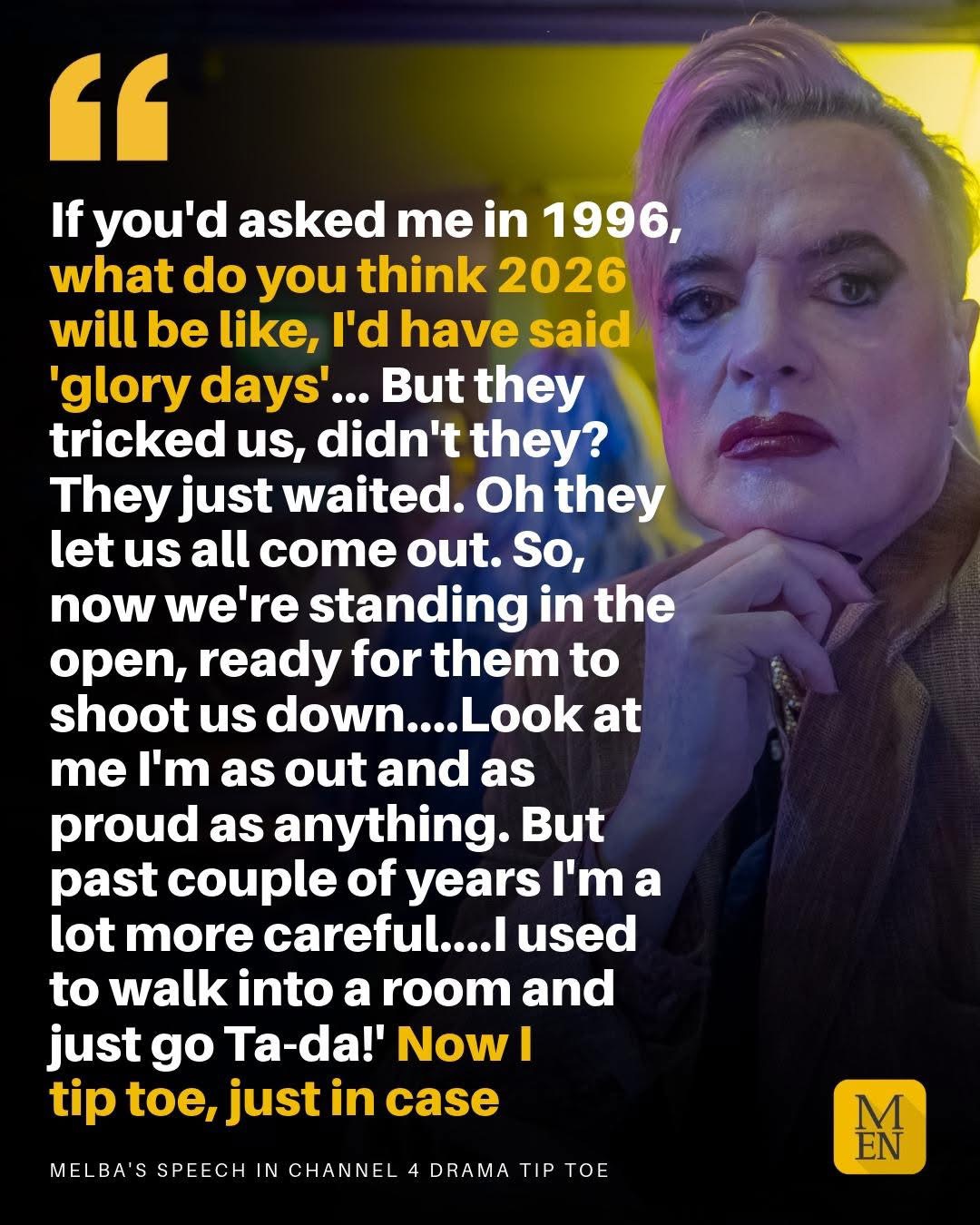
Perhaps the most chilling reflection on the current moment comes from Russell T Davies, one of the most influential queer voices of his generation.
Davies spent decades encouraging LGBTQIA+ people to live openly and authentically. Through dramas such as Queer As Folk, It's A Sin and, most recently, Tip Toe, he helped bring queer lives out of the shadows and into the mainstream.
Yet while promoting Tip Toe, Davies spoke of his regret that the visibility he had campaigned for is now being weaponised against the very community it was intended to protect. He admitted that he never imagined coming out would still be a political act in 2026. He thought society would eventually reach a place where LGBTQIA+ people could simply exist without their lives becoming a battleground.
Many queer people recognised themselves in Melba's now-famous speech from *Tip Toe*. Not because it is necessarily a prediction of the future, but because it gives voice to a growing anxiety. We can feel the political mood shifting. We hear language that sounds uncomfortably familiar. We watch trans people become targets of relentless public debate. We see rights challenged in countries that once appeared to be moving steadily towards equality.
For those of us who lived through Section 28, this is not ancient history. We remember what it feels like when politicians turn minority communities into political footballs. We remember what happens when fear is dressed up as common sense.
The lesson of history is simple: rights are not permanent. Every freedom we enjoy today was won by people who were accused of making too much fuss. Every protection we have was secured by people willing to stand up, speak out and be visible when doing so carried a cost.
That is why Pride still matters.
And that is why we need allies.
More than ever, LGBTQIA+ people need our straight friends, neighbours, colleagues and families to stand shoulder to shoulder with us. Not because we are asking for special treatment, but because equality has always depended on ordinary people refusing to stay silent in the face of prejudice.
Pride was never built by LGBTQIA+ people alone. It was built by everyone who believed that human dignity belongs to all of us.